




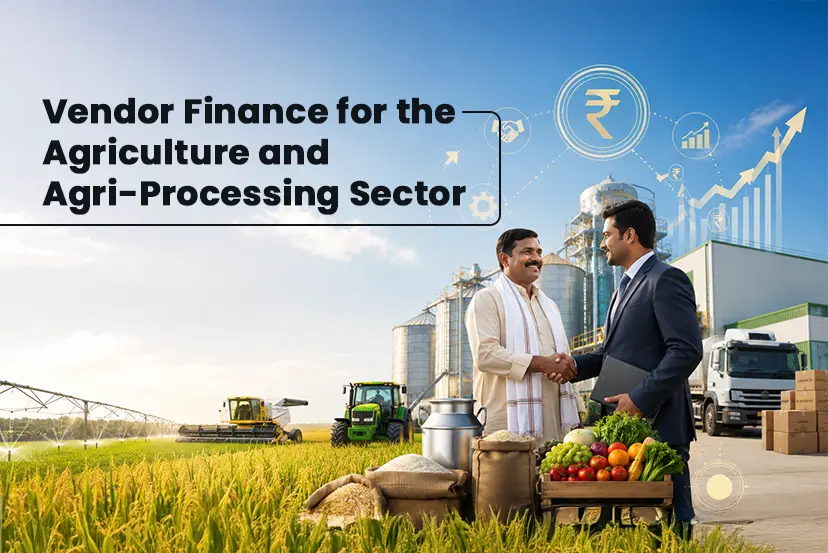
India’s agri-ecosystem has transformed into a vibrant and dynamic value chain that extends beyond farming. Now, input manufacturers, food processors, exporters, warehouses, packaging firms and retailers provide agricultural products to domestic and global markets together. But one financial hurdle is present throughout this ecosystem: delayed payments. Many suppliers will accept big orders and leave a significant amount tied up in unpaid invoices. The direct implication is on working capital solutions, and businesses face challenges in maintaining their daily operations and investing in future growth.
This effect is particularly visible in the procurement seasons when companies require quick cash to buy the crops, restock inventory or meet new customer orders. In a business that is all about timing and the season, waiting for 60 or 90 days for payment is rarely practical. This is where vendor finance for agriculture can be a smart financial option, enabling vendors to tap into capital using accepted invoices while buyers adhere to their agreed repayment plan.
What does Vendor Finance mean?
Vendor finance is a type of financing in which early payment is made to the vendor for approved invoices, but the buyer remains responsible for paying the agreed credit terms. It enhances liquidity, alleviates working capital strain and enables business continuity without disruption of current business relationships.
Why Working Capital Is a Constant Challenge for Agricultural Businesses
Unlike many industries, agriculture operates around harvest cycles rather than fixed production schedules. There is a limited timeframe in which businesses need to acquire raw materials, transform them into their products and deliver orders. But this process can take weeks or months for individual payments from distributors, retail stores or institutional buyers. Proper cash flow management is therefore crucial to a business’s continuity.
This financial strain is due to several considerations during actual operation:
- Seasonal procurement requiring bulk purchases
- Long buyer credit periods
- Fluctuating commodity prices
- Rising transportation and storage costs
- Perishable inventory with limited holding periods
These difficulties have created a larger need for agriculture supply chain finance for suppliers to ensure they have good liquidity throughout the year.
How Vendor Finance Works in the Agriculture Ecosystem
The process of vendor finance is straightforward and benefits both the supplier and the buyer, while not disrupting existing payment arrangements.
- Goods Are Delivered
A supplier delivers the agricultural inputs, processed food products, packaging materials or services to the buyer and issues an invoice for food supplies according to agreed terms of payment. Each of the completed transactions turns into an opportunity to enhance the invoice financing for suppliers.
- Invoice Verification
The buyer checks and accepts the invoice. It is then approved for funding and can be financed without waiting for the full credit period, avoiding the need for suppliers to wait.
- Early Payment Is Released
The financing partner pays the bulk of the invoice value to the supplier within a short time. This gives immediate liquidity through vendor financing solutions, enabling businesses to continue buying inventory and fund their operations.
- Buyer Pays on the Due Date
The buyer pays the invoice as per the original payment terms. Suppliers enjoy quicker access to cash, and buyers enjoy their negotiated credit period, without impacting supplier relations.
Where Vendor Finance Creates the Biggest Business Impact
- Agricultural Input Suppliers
Seed, fertilizer, irrigation system, pesticide, farm equipment manufacturers and distributors frequently offer credit to dealers during high-demand periods. B2B financing helps them keep manufacturing lines running and meet dealer demand, without causing unnecessary cash flow shortages.
- Food and Agri Processing Companies
Raw materials like grains, fruits and vegetables, dairy and spices need to be available at all times for food processors. Delays in payments can directly impact production due to lost procurement opportunities. Reliable working capital finance means that processors can buy inventory at the right time and keep their manufacturing processes running smoothly.
- Export Businesses
An agricultural exporter often has to deal with buyers from abroad who have longer payment cycles. Meanwhile, shipping schedules, customs paperwork and freight expenses continue without delay. Using export finance for agriculture in addition to vendor finance can be used to meet international orders without burdening the cash resources of the exporter.
- Warehousing, Cold Storage and Logistics
Agricultural supply chains are supported by warehouses, transport companies, cold storage centers and packaging companies. Their operating costs continue every day regardless of customer payment schedules. Supply chain financing guarantees these businesses can keep providing services with consistent quality and invest in infrastructure and expansion.
Building a Stronger Financial Future for Agriculture
Timely decision-making, efficient procurement and seamless business operations are critical for the agriculture and agri-processing sector. Delayed payments should not be the reason to hold back suppliers from fulfilling market demand or enhancing their capacity. Therefore, enterprises must implement the concept of agricultural supply chain finance and modern vendor finance to ensure their liquidity, enhance their ability to resist supply chain risks, and establish long-term cooperation throughout the chain.
With the ongoing modernization of the Indian agricultural landscape, financing mechanisms such as speedy, flexible, and transparent options will become increasingly crucial for sustainable growth. Companies that optimize working capital proactively today will be ready to capitalize on opportunities that may arise in the future.
Why Businesses Choose Credlix?
A growing company requires financial solutions that perform along with a growing enterprise. Credlix provides technology-driven vendor financing solutions that allow suppliers to access working capital against invoices that are already approved, even if their payment terms have been stretched. Having quicker access to cash allows companies to buy inventory, meet order demands, and better handle seasonal demand.
Credlix has developed a digital platform with clear processes and financing specifically for the modern supply chain. It supports all the parts involved in agriculture, such as agricultural suppliers, exporters, food processors, and SMEs who want to enhance liquidity within their supply chain. This helps to minimize cash flow gaps and enhance collaboration with suppliers, allowing businesses to invest in growth rather than chasing late payments. This can help companies avoid cash flow problems and improve their relationship with suppliers. It enables them to invest in growth instead of worrying about late payments.
FAQs
What is vendor financing in agriculture?
Vendor finance is a facility for suppliers where the payments are made earlier than the end of the credit period, on the basis of an approved invoice. While the buyers keep paying under agreed terms, suppliers have cash immediately for inventory management, operational costs, seasonal demand, and healthy business cash flow.
Which agricultural enterprises are eligible for vendor financing?
Invoice financing for suppliers is suitable for many other companies, including food processors, agricultural input producers, exporters, packaging companies, warehouses, logistics companies, and SMEs. Vendor finance is a flexible solution that can benefit any business looking to boost liquidity, improve working capital, accept larger orders, and avoid relying on traditional short-term financing options.
How does Credlix help agricultural processing companies?
Credlix offers digital working capital solutions that enable suppliers to release approved invoices as fast and efficiently as possible. Accelerated cash flow can help companies buy raw materials, forecast their needs and requirements during seasonal variations, meet customer demands, maintain better supplier relationships, and take new steps to expand their businesses without having to wait for long cycles of payment