




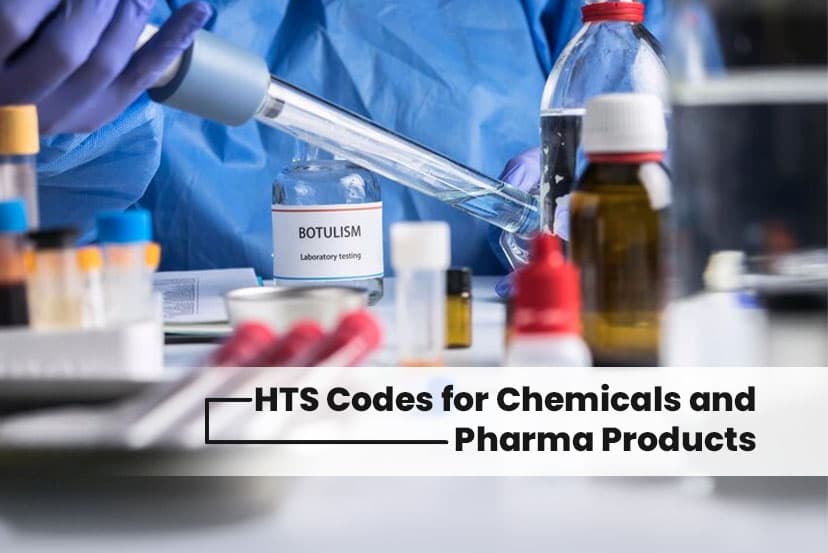
The international trade of chemicals and pharmaceutical products is highly regulated, making accurate product classification essential. The standard code used to identify and classify shipments of chemicals and pharmaceuticals is the HTS code, or Harmonized Tariff Schedule code, which is recognised worldwide. Because chemical HTS codes determine duty rates, safety requirements, and compliance with global standards, they are essential not only for manufacturers but also for exporters and importers.
Understanding HTS Codes
HTS codes are part of an internationally recognised classification system based on the Harmonized System (HS) developed by the World Customs Organization (WCO). The first six digits represent the global HS code, while the additional digits form each country’s national tariff classification. This structured system enables customs authorities to accurately identify chemical formulations, pharmaceutical components, and finished drug products. Without correct HTS classification, chemical and pharmaceutical companies risk paying incorrect duties or facing shipment delays.
Why Accurate HTS Codes Matter for Chemicals
- Regulatory Compliance
Chemicals are subject to strict environmental, safety, and transportation regulations. Using the correct HTS code for chemicals ensures that shipments comply with all applicable import and export requirements. Incorrect tariff classification can result in penalties, mandatory testing, or additional inspections, all of which may disrupt supply chains.
- Duty and Tax Calculation
Each chemical substance is assigned a specific customs duty rate based on its HTS code. Even minor variations in chemical composition can place a product under a different tariff heading, leading to a significantly different duty rate. Accurate HTS classification helps companies forecast costs accurately and remain competitive in the market.
HTS Codes for Pharmaceuticals
- Active Pharmaceutical Ingredients (APIs)
Active Pharmaceutical Ingredients (APIs) are central to pharmaceutical manufacturing and often require specialised HTS codes. Customs authorities use these classifications to monitor the trade of controlled substances and ensure compliance with international drug regulations.
- Finished Drug Products
Finished medicines, vaccines, and biological products must also be classified under the correct HTS codes to ensure accurate duty assessment. Incorrect classification of pharmaceutical products can lead to penalties and delays, potentially disrupting the supply of essential medicines.
- Medical Preparations and Biologics
Many biologics, diagnostic kits, and advanced therapies have dedicated HTS classifications. Accurate coding not only determines applicable duty rates but also ensures compliance with specialised handling, transit, and storage requirements associated with sensitive medical products.
Factors Influencing HTS Classification for Chemicals and Pharma
- Chemical Composition – The HTS code can be changed in the same line of product, depending on the various formulations used.
- Intended Use – Chemicals classified for industrial use may attract different tariff treatment than those intended for pharmaceutical applications.
- Regulatory Controls – Certain ingredients are subject to permits or international conventions, making accurate HTS classification essential to meet legal and regulatory requirements.
Common Challenges in the Sector
The chemical and pharmaceutical sectors face several classification challenges. For example, a compound may function both as an industrial chemical and as a pharmaceutical precursor, making HTS code selection complex. Additionally, rapid innovation in biotechnology and specialty chemicals results in frequent updates to tariff codes, requiring constant monitoring. Errors in HTS classification can expose companies to significant financial penalties and operational disruptions.
Best Practices for Accurate Classification
- Detailed Documentation – Maintain comprehensive records, including chemical formulas, CAS numbers, and product specifications, to support the selected HTS code.
- Use and Find Experienced Guidance – Engage customs brokers or trade compliance consultants with expertise in chemical and pharmaceutical HTS classification.
- Stay updated – Regularly review updates issued by the World Customs Organization and national customs authorities to ensure tariff classifications remain current.
- Audit regularly – Periodic internal reviews help ensure that new products or modified formulations are assigned the correct HTS codes.
Impact on Global Supply Chains
Accurate HTS classification enables the efficient movement of raw chemicals, APIs, and finished pharmaceutical products across global supply chains. This reduces customs delays, preserves product integrity, and helps avoid unnecessary duty costs. For pharmaceutical companies, accurate tariff coding is also critical to meeting healthcare delivery timelines and preventing shortages of essential medicines.
Technology and Digital Tools
Modern trade management platforms simplify the process of identifying the correct HTS codes. These systems match chemical formulations with regulatory databases and streamline compliance for chemical and pharmaceutical exporters. Automated tools also track changes in tariff schedules, helping companies maintain accurate HTS classifications across multiple markets.
Ensuring Smooth Trade with Accurate HTS Classification
HTS codes play a critical role in the international trade of chemicals and pharmaceuticals. Accurate classification ensures regulatory compliance, correct duty calculation, and seamless supply chain operations. By maintaining thorough documentation, seeking expert guidance, and leveraging technology, companies can reduce risk, control costs, and remain compliant with global trade regulations.
Credlix supports chemical and pharmaceutical exporters with reliable trade finance solutions and international compliance expertise. Whether it involves selecting the correct HTS code or optimising cash flow for high-value shipments, Credlix helps businesses navigate global markets with confidence and efficiency.
Frequently Asked Questions
Q1: What are the reasons why HTS codes are critical to the export of chemicals?
They are used to set the right customs duty and guarantee adherence to environmental and safety standards, and minimise the chance of delays and penalties.
Q2: How do HTS codes influence the pharmaceutical imports?
Proper pharmaceutical HTS code checks the type and origin of products, sets the right duties, and makes sure that the international laws of drug control are followed.
Q3: How can companies maintain the HTS codes?
Businesses can compete with updated regulations on proper HTS classification by tracking WCO updates, utilising digital trade tools, and consulting with experienced brokers.